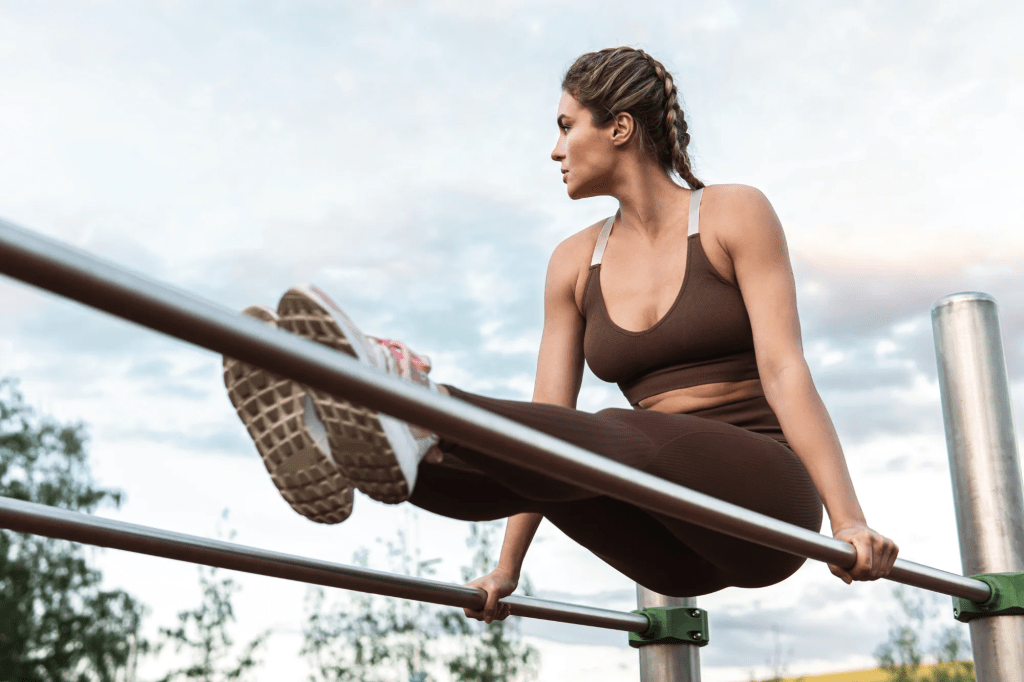
The root meaning of the word calisthenics comes from the Greek kallos (beauty) + sthenos (strength)’, meaning the beauty of strength. Historians have shown that calisthenics was practiced in both ancient China and ancient Greece, it was even used as a form of strength training by soldiers and armies.
To a certain extent, calisthenics has been practiced in one form or another for as long as humans have been around, as we’ve always had our bodyweight to strengthen and move our body in creative ways, but what is calisthenics exactly?
Calisthenics is a form of strength training that utilises bodyweight exercises requiring little or no equipment. A calisthenics workout can range from basic movements like push-ups to more advanced exercises like a planche or handstand push-ups. Whether you are looking to understand the benefits of calisthenics or if you are looking for a calisthenics for beginners workout guide, this article will cover everything you need to know about calisthenics as a beginner.
What Is Calisthenics Good For? Benefits of Calisthenics Training
Calisthenics offers unique advantages over other forms of strength training, which is one reason for its growing popularity. Here are some key advantages to taking up calisthenics:
1. Cost Effective and Equipment free
One of the biggest advantages of training calisthenics is that it can be done virtually anywhere, whether at home, your local park, or at an outdoor street gym.
Most exercises require zero equipment. Even if you use a pull-up bar occasionally, bodyweight training costs nothing and doesn’t need a gym. You can do most exercises in your bedroom!
2. Works The Whole Body
Even though training days are split according to muscles worked, calisthenics exercises will still requires you to move the body as a whole coordinated unit, rather than focusing on isolated muscles.
For example, although push-ups target the chest, shoulders, and triceps, you will still need to engage your core and your glutes, and you might even feel the benefits of a push-up in those areas. Training the body as a whole results in a more balanced, functional, and athletic physique.
3. Supports Body Recomposition
Training calisthenics will help make you both stronger and leaner, as it builds muscle and helps burn fat. Due to the fact that exercises use multiple muscle groups at once, your body burns more calories during each session compared to isolation exercises. Over time, this combination of strength and calorie expenditure makes it an excellent tool for body recomposition, especially if paired a proper diet and a calorie deficit.
4. Improves Flexibility and Mobility
Bodyweight exercises engage a full range of motion, promoting flexibility and mobility, which naturally promotes flexibility and joint mobility. For example, having to hold your leg straight while doing a pistol squat.
Training mobility and flexibility alongside strength training will help improve posture, coordination, and overall functional movement, making daily activities easier and safer.
5. Suitable for All Fitness Levels
From beginners to advanced athletes, calisthenics exercises can be modified or progressed to suit any level. The foundational skills will always be essential to training and there is always another skill to master when it comes to the advanced skills.
6. It’s fun!
The challenges when it comes to calisthenics are endless. There is always another skill to progress to, another challenge to be consumed by. Even the fundamentals require dedication, and the variety keeps training engaging and motivating. Once you’ve mastered that, you have a wide range of skills to continue to challenge yourself with, like handstands, muscle-ups, and so on! The variety keeps training engaging and motivating.
In conclusion, calisthenics offers a wide range of benefits, it is very accessible and it helps build strength, muscle, and can improve flexibility and mobility, all while being a fun and engaging method of exercise!
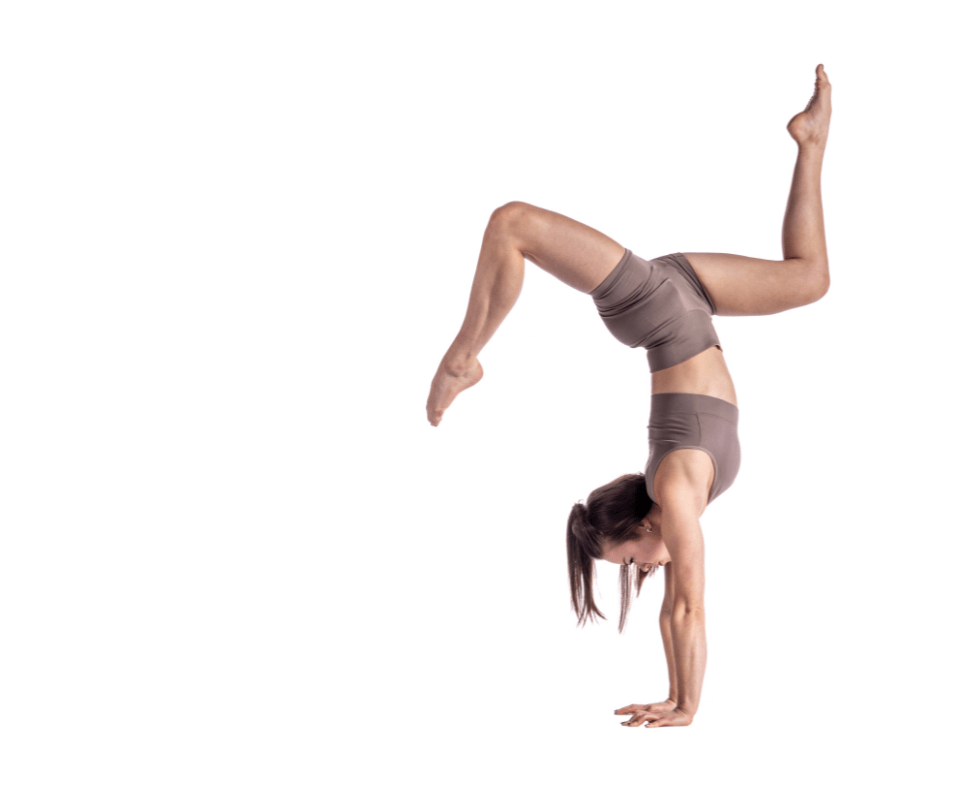
Calisthenics vs Weight Training: Which Is Better?
When it comes to building strength, improving fitness, or sculpting your physique, calisthenics and weight training are two of the most effective options.
What’s the Difference?
- Calisthenics involves using your own bodyweight to perform movements such as push-ups, pull-ups, squats, and planks.
- Weight training (also known as resistance or strength training) uses external weights like dumbbells, barbells, or machines to overload the muscles.
Can I do both calisthenics and weight-training?
Yes, of course! There are endless benefits to utilising both calisthenics and weight-training to build strength and target specific muscles or pull/push skills.
For example, if you are struggling to get your first pull-up, strengthening your lats by specifically training them using the lat pull-down machine can make a big difference in your strength and your training.
Find a workout routine that allows you to incorporate both while making space for enough rest.
How To Start Calisthenics
Starting calisthenics might seem intimidating for a beginner, but chances are you might already be familiar with some calisthenics basics, like push-ups and pull-ups. This beginner-friendly calisthenics workout plan will give you everything you need to know on how to start calisthenics.
Day 1: Push
This push calisthenics workout routine focuses on strengthening your chest, shoulders, and triceps by engaging the muscles involved in pushing your body away from the ground or an object.
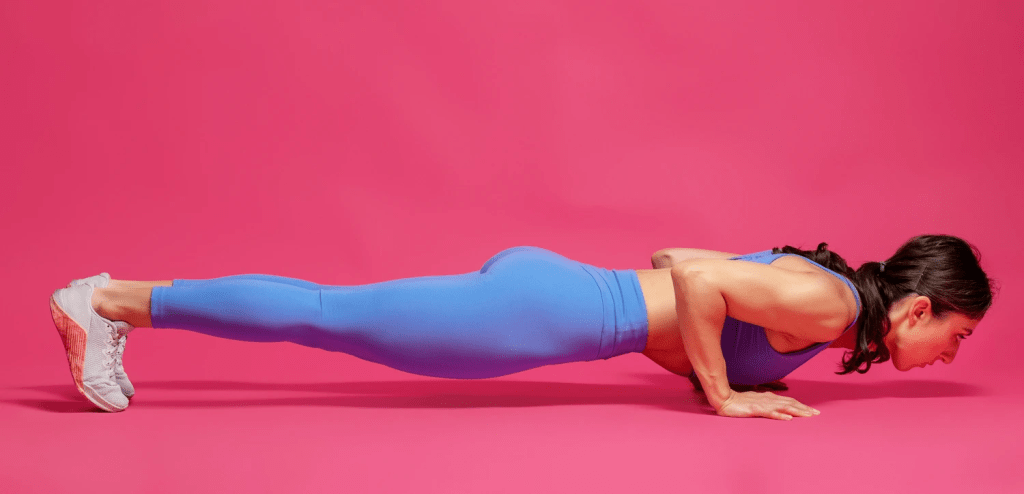
Calisthenics push workout:
- Incline push ups (3 sets until failure) – do knee push ups if incline push ups are too difficult.
- Regular push ups (3 sets until failure) – do incline push ups if regular push ups are too difficult.
- Dips (3 sets of 6–10 reps)
Tip: Rest for 60–90 seconds between sets. Don’t forget to pay attention to your breathing, and always keep your core and your glutes engaged.
Day 2: Pull
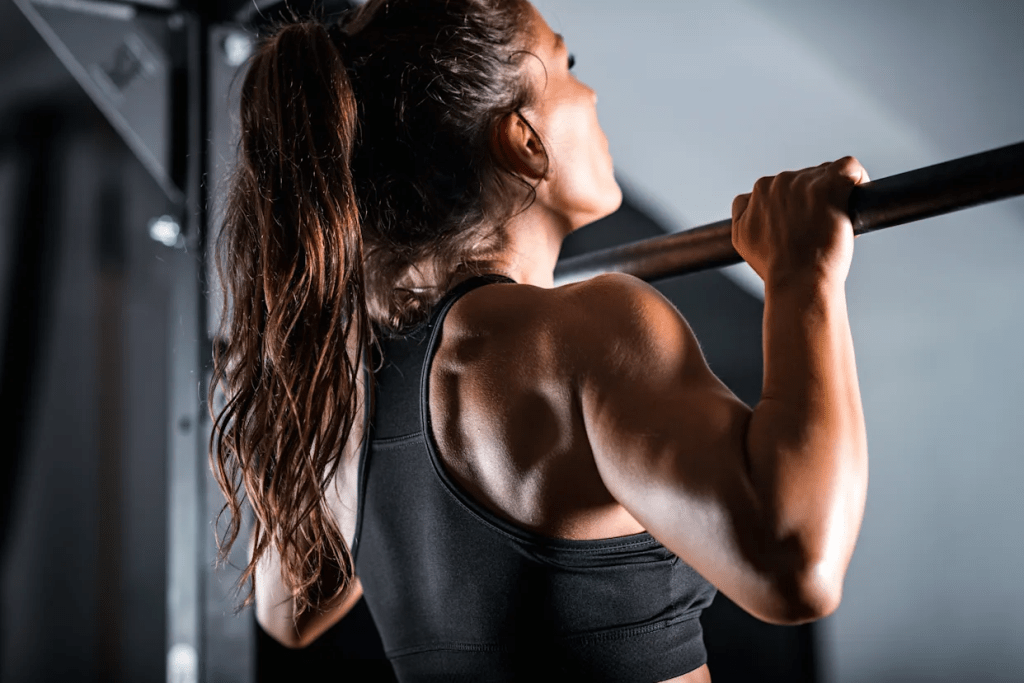
Pull exercises work the muscles used to pull your body toward something — mostly targeting the latissimus dorsi (lats) and biceps. These movements are essential for building a strong, balanced upper body, especially in calisthenics where bodyweight back exercises play a big role.
Calisthenics pull workout:
- Australian rows / bodyweight rows (3 sets of 8–12 reps)
- Banded pull-ups (practice until failure)
- Negative pull-ups (jump up, lower slowly – 3 sets of 3–5 reps)
- Dead hangs (for grip strength – 2 sets of 20–30 seconds)
Tip: Rest for 60–90 seconds between sets. Focus on form and controlled movement. Match your movement with your breathing, for example, inhale while pulling your body up and exhale on the negative.
Day 3: Legs
Legs can sometimes be overlooked when starting calisthenics, but they are essential in building mobility, balance, and full body strength.
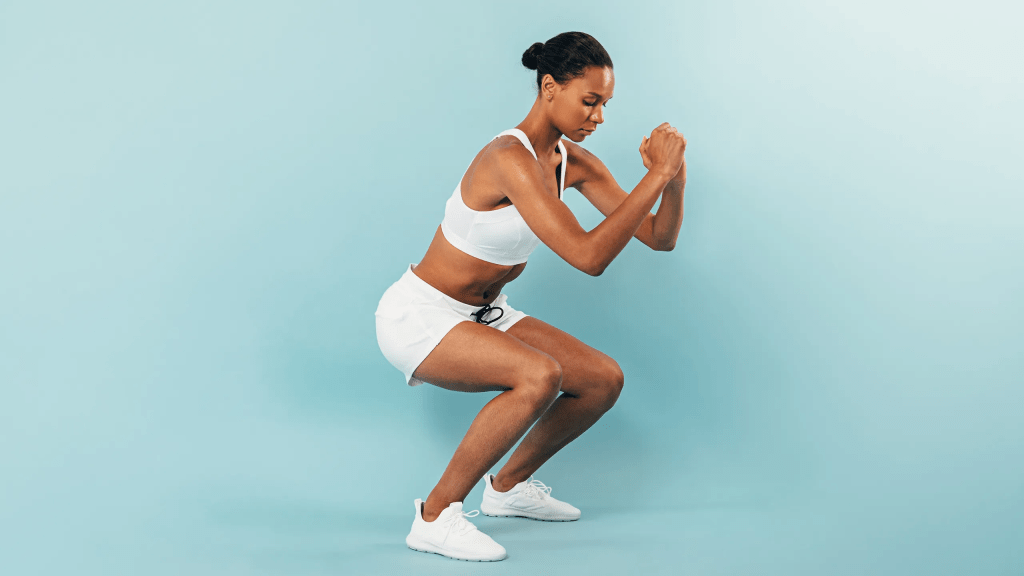
Calisthenics legs workout:
- Squats (3 sets of 8-12 reps)
- Bulgarian Splits (3 sets of 8)
- Walking lunges (3 sets of 8-12)
- Glute bridges (3 sets of 12)
Tip: Make sure to adequately stretch before and afterwards. While it is normal to usually feel pain after training (DOMS), stretching can make a big difference in the time needed for the body to recover.
Day 4: Core
Training core is essential when it comes to calisthenics, since core engagement is key for almost every movement. You are not going to get very far with your pull-ups or push-ups, yet alone handstands without a iron-strong core. Strengthening your core is essential for improving overall body control, stability, and posture.
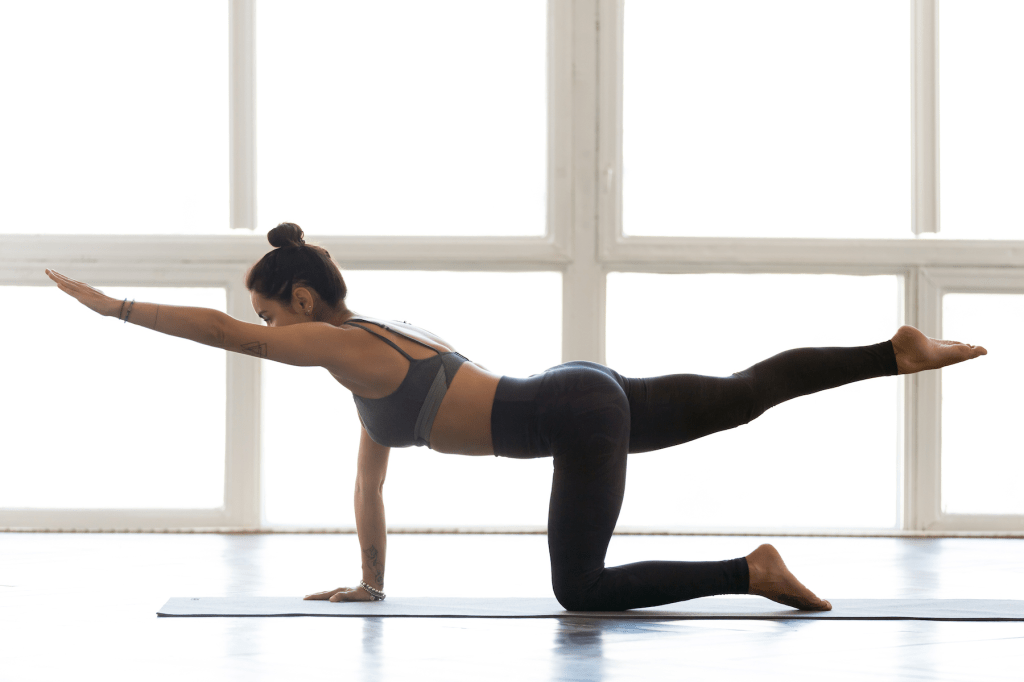
Calisthenics Core Workout:
- Plank – (hold for 30 seconds × 3 sets)
- Straight Leg Raises – (3 sets of 10 reps)
- Hollow Body Hold – (hold for 30 seconds × 3 sets)
- V-Ups – (3 sets of 10 reps)
- Russian Twists – (3 sets of 10 reps each side)
Tip: Focus on quality over speed — keep your core tight and movements controlled. Keep your core engaged (like someone is about to punch you in the stomach!)
Calisthenics FAQ
Does calisthenics build muscle?
Yes, of course! Yes! Calisthenics builds muscle using your own bodyweight. To grow muscle, focus on good form, enough reps, and progressively harder variations. With consistency, good nutrition, and proper rest, calisthenics can help you get stronger and build lean, toned muscles.
What calisthenics equipment might I need?
One of the biggest perks of training calisthenics is that it’s pretty easy to do without any equipment; that being said, if you want to level up your training or add variety, here is some common and useful calisthenics equipment:
- Pull-Up Bar – For pull-ups, chin-ups, hanging leg raises
- Dip Bars / Parallel Bars – For dips, L-sits, push progressions
- Resistance Bands – For assistance or added resistance
- Gymnastic Rings – Versatile for strength, stability, and balance
- Push-Up Bars / Parallettes – For elevated push-ups, handstands, and planche progressions
How can I start calisthenics if I can’t do pull-ups or push-ups?
You don’t need to know how to do a pull-up or a push-up to start calisthenics, that’s what you start calisthenics for!
To begin with, just start with progressions:
Knee push-ups → Incline push-ups → full push-ups
Negative pull-ups → assisted pull-ups → full pull-ups
and you will eventually get there!
Can you lose weight with calisthenics?
Yes! Calisthenics can help you lose weight because it burns calories and builds muscle at the same time. For best results, combine calisthenics with a healthy diet, calorie deficit, and consistent workouts.
In conclusion
While calisthenics may seem intimidating to start with, it all starts with simple, basic movement. It’s a beautiful and incredible way to build strength and control using nothing but your own body. By consistently training push, pull, legs, and core using the calisthenics workout in this guide you will very quickly see a difference in your strength. You can even start in your own bedroom today! This calisthenics workout plan for beginners will give you everything you need to get started, bookmark this guide and return to it at anytime. Good luck!
 FArida el tayeb
Leave a comment