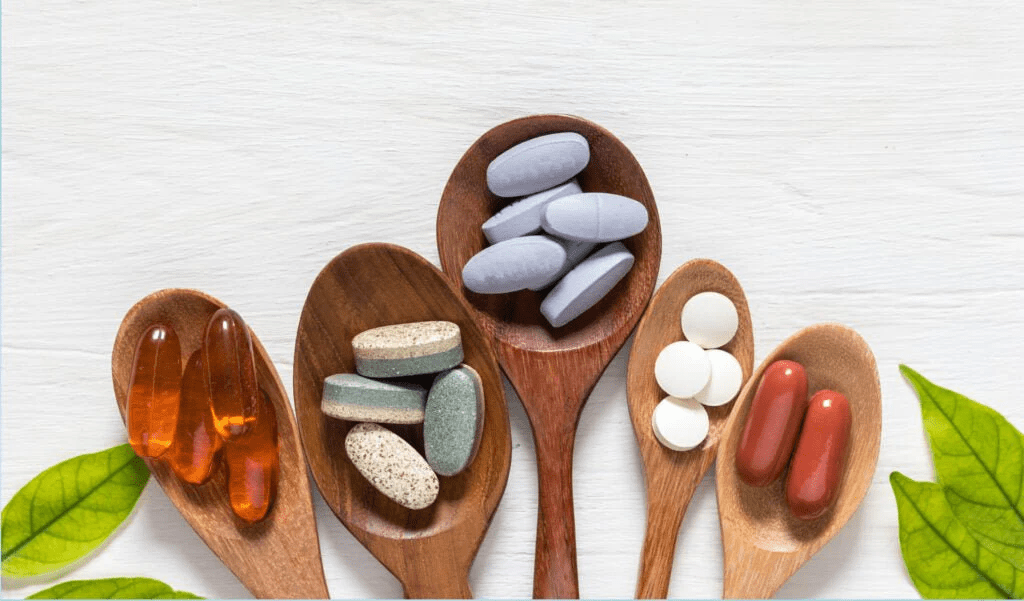
Dealing with PCOS (polycystic ovarian syndrome) is hard – anyone who has been there will tell you that. Many women with PCOS tend to struggle with excess weight gain, and struggle to lose the weight afterwards. This is primarily due to the fact that PCOS causes insulin resistance, making it harder for the body to use stored fat to burn fuel.
While diet and exercise are key, supplements can actually make a big difference on a PCOS weight loss journey, due to the fact that they can help reduce insulin resistance and lower blood sugar levels, helping the body respond to insulin the way it should.
So what are the best supplements for PCOS weight loss? In this article we will dive into the scientifically, researched backed evidence to help you choose what’s right for you.
Best supplements for PCOS weight loss
Studies show that certain supplements can support weight management in women with PCOS. The top supplements for PCOS weight loss — berberine, inositol, omega-3s, magnesium, and L-Carnitine — help improve insulin resistance, reduce inflammation, and support fat metabolism. Below, we break down why each supplement is beneficial for managing PCOS-related weight challenges.

1. Berberine
Berberine is a compound found in plants such as barberry, Oregon grape, and goldthread. It has been used in traditional medicine for centuries, particularly in Chinese and Ayurvedic medicine. Berberine is amongst the most highly recommended ****supplements for PCOS weight loss.
Berberine helps lower blood sugar by improving insulin sensitivity and reducing sugar production in the liver. Some studies suggest berberine may support weight loss and improve fat metabolism. A randomized clinical trial comparing 3 months of treatment found that berberine (500 mg twice daily) improved weight, BMI, waist circumference, insulin sensitivity, lipid profile, and hormonal balance more than either metformin or myo‑inositol in women with PCOS (PubMed).”
Recommended dosage: 500 mg, 2–3 times daily with meals (1,000–1,500 mg total)
Cautions: May cause digestive side effects (nausea, constipation), and supplement quality/absorption may vary.
2. Inositol (Myo-inositol + D-chiro-inositol)
Inositol, particularly myo-inositol and D-chiro-inositol, is also one of the most recommended supplements for PCOS weight loss. Myo-inositol is usually combined with D-chiro-inositol in a 40:1 ratio, which mimics the natural balance in the body. Inositol can help improve insulin sensitivity and support hormone balance. PCOS often causes high androgen levels (male hormones) that can lead to weight gain, especially around the belly. Inositol can help lower androgen levels, improving ovulation and metabolic function.
A network meta‑analysis of 22 trials (total 1,079 women) found that inositol plus D‑Chiro‑Inositol improved menstrual frequency and reduced insulin resistance more effectively than metformin alone (PubMed).
Recommended dosage: 2–4 g myo-inositol + 50–100 mg D-chiro-inositol daily, ideally in a 40:1 ratio
3. Omega-3 Fatty acids
Omega-3 fatty acids are essential fatty acids that our body cannot produce. According to recent meta‑analyses of randomised trials, Omega-3 supplementation is proven to reduce chronic inflammation, which may reduce health risks associated with chronic inflammation, such as cardiovascular disease, hyperandrogenism, insulin resistance; all commonly associated with PCOS (PubMed).
If you choose to buy an omega-3 supplement make sure you look for one that clearly lists EPA + DHA content.
Recommended dosage: 1,000–3,000 mg/day
4. Magnesium
Magnesium is one of the body’s most essential minerals, involved in hundreds of processes. Many people don’t get enough magnesium through diet alone, so supplementation can help fill a much needed gap. When it comes to PCOS weight loss, magnesium can help play a critical role in improving insulin resistance and overall metabolic health.
PCOS can also be associated with poor, interrupted sleep and high anxiety levels, which may impact efforts to lose weight. Magnesium can help restore restful sleep while also reducing anxiety levels, which can indirectly support weight loss efforts.
Recommended dosage: 200–400 mg daily (citrate or glycinate forms are best absorbed, glycinate is best for anti-inflammation, sleep, and anti-anxiety)
5. L-Carnitine
L-Carnitine is a compound naturally produced by the body that plays a critical role in energy production and fat oxidation.
Research has shown supplementing L-Carnitine can significantly reduce insulin levels, fasting glucose, and BMI in women with PCOS. A 12‑week randomized controlled trial on overweight or obese women with PCOS found that 1,000 mg/day L‑Carnitine significantly improved insulin resistance compared to placebo (PubMed).
This is due to the fact that L-Carnitine may improve how your body uses and responds to insulin and how it metabolises carbohydrates – key issues when it comes to managing PCOS weight loss. L-Carnitine can also help increase and boost energy levels and increase fat burnt during a work out, it is recommended to take it 30-60 minutes before you start a workout.
Recommended dosage: 1–3 g daily, usually split into two doses
FAQ
Which supplement should I start with first?
If you’re just starting out and don’t want to take too many things at once, begin with the supplements that have the strongest evidence for PCOS weight loss: Berberine and Inositol (Myo + D-Chiro). ****You can also combine inositol and berberine for added benefits.
Can I take all of them together?
Yes, in most cases, these supplements can safely be taken together. Managing weight loss with PCOS can be complex that involves targeting insulin resistance, hormone imbalance, inflammation, and metabolic issues. Therefore, using different supplements to target different issues can be more effective.
However, make sure you start slowly, introduce one supplement at a time so you can notice benefits and any side effects. Stick to recommended dosages and always check with your doctor if you’re on medications (especially for blood sugar, blood pressure, or blood thinners).
How long until I see results from taking PCOS supplements?
Supplements are not a quick fix, they work gradually by improving insulin sensitivity, hormone balance, and metabolism over time. After a month of consistently taking supplements women often report improvements in energy, cravings, mood, and sleep. In 2-3 months weight loss may be more apparent (especially with inositol or berberine). In 4-6 months women may more noticeable changes in body composition, insulin resistance, and overall PCOS symptoms.
The most important thing to remember is that consistency is key. Supplements work best when combined with a balanced diet, exercise, and stress management. If you are looking to start working out or you would like to add something new to your routine check out this calisthenics for beginners guide.
What side effects should I know about?
Even though most PCOS supplements are generally safe, some can cause mild side effects — especially at higher doses (such as nausea, stomach upset, dizziness, low blood sugar) Make sure to stick to the recommended dosage to minimise risks.
In conclusion
Losing weight with PCOS is hard. You could be doing all the right things, exercising multiple times a week, eating well, and still struggle to shed off those extra kilos. At the end of the day, PCOS is hormonal and metabolic disorder, which means for many women with PCOS, it can have a tremendous impact on weight loss and weight gain. Supplements can help address a gap that exercise and diet alone may not, targeting insulin resistance and blood sugar levels, helping the body store its natural balance. PCOS weight loss is not simply about having a slimmer body (although there is nothing wrong with that), but also restoring natural balance to the body. I hope this guide has helped give you some insight on the best supplements on PCOS weight loss, don’t forget to take care of your body through exercise and diet, and your mind through stress management at the same time. Good luck!
 FArida el tayeb
Leave a comment