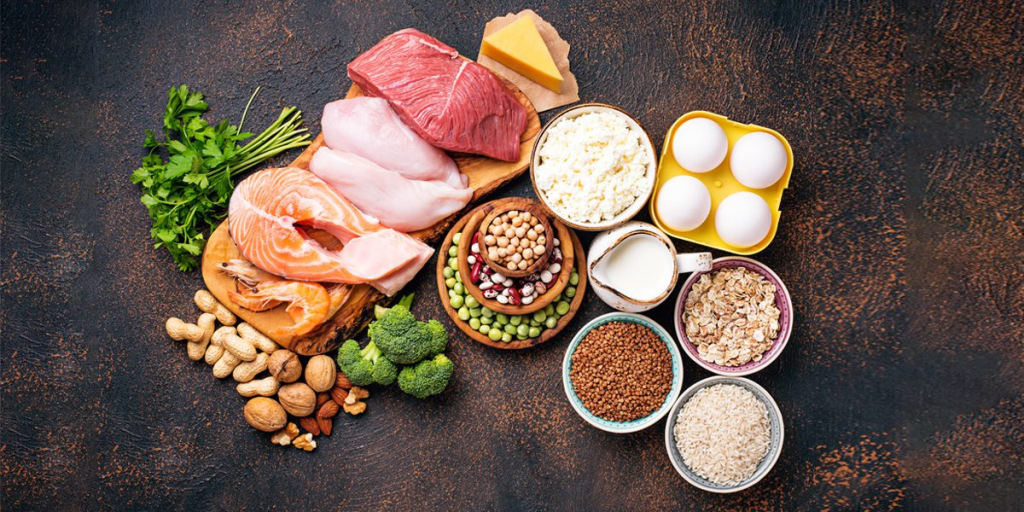
Nutrition is key to building long-lasting health and well-being. People nowadays are more familiar than ever with the importance of protein, with “high protein” labels on new products left and right (high protein yogurt, high protein chocolate, and so on). Fibre, however, receives a bit less attention, but it is just as important. Choosing to focus on high protein and fibre meals in your diet will give you many of the health benefits you are looking for, supporting gut health, metabolism, immunity, and more. This guide will give you all the tips you need to get started.
The Necessity of Protein + Fibre
Protein is essential for building and repairing muscles, supporting metabolism, and helping you feel full after meals. It also plays a role in hormone balance and immune health. Try to include a source of protein in every meal.
Fibre improves digestion, keeps blood sugar steady, reduces cholesterol, and promotes long-lasting satiety. It also nourishes beneficial gut bacteria, which impacts overall wellbeing.
Together, high protein and fibre meals form a powerful combination that helps you stay energised, prevent overeating, and improve overall health.
Food high in protein:
- Lean chicken breast 120–150 g (about one medium fillet) → 30–35 g protein
- Red meat (lean beef or lamb) 100–130 g (palm-sized serving) → 25–30 g protein
- Tuna (fresh or canned in water) 100–120 g (1 small can or fillet) → 25–28 g protein
- Sardines 90–100 g (about 3–4 small sardines) → 22–25 g protein
- Cottage cheese 150 g (¾ cup) → 18–20 g protein
- Greek yogurt (plain, unsweetened) 170–200 g (¾–1 cup) → 15–20 g protein
- Eggs 2 large eggs (≈ 110–120 g total weight) → 12–14 g protein
- Tofu (firm) 120–150 g (about half a block) → 14–18 g protein
- Soy (edamame or soy chunks) 100–120 g cooked → 12–15 g protein
- Chickpeas (cooked) 150 g (about 1 cup) → 12–14 g protein
Food high in fibre:
- Lentils 150 g → ~10–12 g fibre
- Black beans 150 g → ~12 g fibre
- Kidney beans 150 g → ~11 g fibre
- Chickpeas 150 g → ~10 g fibre
- Broccoli 100 g → ~3 g fibre
- Cauliflower 100 g → ~2.5 g fibre
- Spinach (cooked) 100 g → ~4 g fibre
- Kale (cooked) 100 g → ~3 g fibre
- Zucchini 100 g → ~1.5 g fibre
- Asparagus 100 g → ~2 g fibre
Targets to aim for:
Protein Around 1.6–2 g per kg of body weight daily
Fibre 25–35 g per day
Easy High Protein, High Fibre Meal Ideas:
Photo credit: Mark Beahm
- Tuna salad with avocado and spinach
- Greek yogurt topped with chia seeds and berries
- Scrambled eggs with sautéed vegetables
- Grilled chicken with broccoli and olive oil
- Tofu scramble with kale, peppers, and avocado
- Beef stir-fry with mixed vegetables and quinoa
FAQ
Can a high-protein, high-fibre diet help with weight loss?
Yes, a diet high in protein and fibre will likely significantly boost feelings of satiety and reduce hunger, making it easier to stick to a calorie deficit.
How much protein and fibre should I eat per day?
For most active adults, aim for 1.6–2 grams of protein per kilogram of body weight and 25–35 grams of fibre per day. The exact amount depends on your activity level, metabolism, and goals.
What are the best high-fibre foods for when following a low-carb diet
Broccoli, spinach, cauliflower, chia seeds, flaxseeds, and avocado are some good high-fibre foods that are also low-carb.
Fibre makes me bloated, what can I do to prevent this from happening?
Add fibre gradually and increase your water intake. Start with small portions of veggies or seeds and build up over one to two weeks. Soak beans and lentils in water before cooking. Probiotic foods like Greek yogurt or kefir can also help your gut adjust.
Is a high-protein, high-fibre diet good for PCOS or hormone balance?
Yes, I would argue that it’s even an essential component of healing hormonal imbalance. A high protein, high fibre diet helps stabilise blood sugar, reduce cravings, and support healthy hormone production, all of which are essential for PCOS and metabolic health.
Conclusion
The benefits of following a high protein, high fibre diet are truly endless. It is simply a method of eating that gives your body almost all of the essentials it needs. Combining the two together helps boost metabolism, improve gut health, balance blood sugar, prolong satiety while giving you the essential nutrients you need. It is a powerhouse combination that keeps your body strong, healthy, and energised. Adding high protein and fibre meals to your diet is easy, just make sure each meal includes a good balance of lean protein, whole grains, fruits, and vegetables. Bookmark this guide and come back to it anytime you need meal inspiration! Good luck!
 FArida el tayeb
Leave a comment